Treatment Depths and Transducer Selection
IA complete Ultherapy treatment uses multiple transducers to address different tissue layers simultaneously. The 4.5mm transducer targets the SMAS for structural lifting. The 3.0mm transducer addresses the deep dermis for skin tightening and collagen density improvement. The 1.5mm transducer works on the superficial dermis to improve surface quality and fine lines. An experienced clinician selects and sequences transducers based on the patient’s anatomy, skin thickness, and specific concerns — this clinical judgment significantly influences outcomes.
Real-time ultrasound imaging, built into the Ultherapy device, allows the clinician to visualize the tissue layers before and during treatment, confirming that energy is being delivered to the correct depth. This imaging capability distinguishes Ultherapy from competing HIFU devices that operate without visualization — a meaningful safety and precision advantage.t.
The Collagen Remodeling Timeline
The thermal coagulation points created by Ultherapy trigger a wound-healing response in which the body produces new type I and type III collagen to repair the treated tissue. This process follows the same biological timeline as any collagen remodeling response: initial repair activity begins within days, new collagen fibers form over 4–8 weeks, and the full structural reorganization — including the visible lifting effect — reaches its peak at approximately 3–6 months post-treatment. Patients who photograph their results at 2 weeks post-treatment are not seeing the final outcome.
What to Expect During and After Ultherapy Treatment
Before the Procedure
A thorough consultation should precede any Ultherapy treatment. The clinician will assess your skin using the device’s built-in ultrasound imaging to evaluate tissue layer thickness, identify optimal treatment depths, and map the treatment areas. Photographs are taken for baseline documentation. Patients on blood thinners, with active skin infections, or with metal implants in the treatment area are typically not candidates.
Most clinics apply a topical anesthetic cream 30–60 minutes before treatment to reduce discomfort during the procedure. Some premium dermatology clinic Korea locations offer oral analgesics or nerve blocks for patients with low pain tolerance. Discussing pain management options during consultation ensures the treatment experience is manageable.
During the Procedure
A full-face Ultherapy treatment typically takes 60–90 minutes. The clinician applies ultrasound gel to the treatment area and moves the transducer systematically across mapped zones, delivering sequences of focused ultrasound pulses. Most patients experience a distinctive sensation — a deep, intermittent heat or mild stinging — that varies in intensity by treatment area. The jawline and neck tend to be more sensitive than the cheeks and brow. The sensation is temporary and stops immediately when the transducer is moved.
The number of treatment lines delivered varies based on the size of the treatment area and the protocol selected. A full-face and neck treatment typically involves 600–800 treatment lines across multiple transducer depths. Clinics that significantly reduce this number to shorten treatment time may compromise results.
Immediately After Treatment
Redness and mild swelling are normal immediately following Ultherapy and typically resolve within 2–24 hours. Some patients experience temporary tenderness or a flushed appearance for 1–2 days. Bruising is uncommon but possible, particularly around the jawline and neck. Most patients return to normal activities, including work, on the same day or the day after treatment — there is no meaningful downtime requirement.
It is important not to assess results in the immediate post-treatment period. The skin may actually appear slightly less defined immediately after treatment due to transient swelling, before the progressive lifting effect begins to manifest over subsequent weeks and months.
|
Timeframe |
What’s Happening |
What You Notice |
|
Day 1–7 |
Initial tissue contraction; inflammatory response begins |
Mild redness, occasional tenderness; skin feels slightly firmer |
|
Week 2–4 |
Early collagen synthesis; fibroblast activation |
Mild redness, occasional tenderness; skin feels slightly firmer |
|
Month 1–3 |
Active collagen remodeling; new fiber organization |
Progressive lifting visible, particularly jawline and neck |
|
Month 3–6 |
Peak collagen production; maximum structural lifting |
Progressive lifting visible, particularly jawline and neck |
|
Month 6–12 |
Collagen consolidation; maintenance phase |
Results stable; gradual natural aging continues |
|
Month 12–18+ |
Results begin to gradually diminish |
Maintenance treatment recommended at 12–18 months |

Who Is the Ideal Candidate for Ultherapy?
Ultherapy skin tightening delivers its best results within a specific patient profile. Understanding where you fall within this profile helps predict the likely outcome of treatment and informs whether Ultherapy is your optimal choice or whether a different modality — or a combination approach — would serve you better.
The choice between Ultherapy and Thermage often comes down to the primary concern: if lifting is the dominant goal, Ultherapy’s SMAS-level energy delivery gives it a structural advantage. If overall skin tightening, texture improvement, and body contouring are the focus, Thermage’s radiofrequency technology has a broader application range. Many Korean dermatologists combine both in a single protocol — Ultherapy for deep lifting and Thermage for surface refinement — for patients with both concerns.
Surgical facelift remains the definitive solution for significant facial sagging that non-surgical treatments cannot adequately address. Patients with Ultherapy candidacy concerns — those over 65 with pronounced laxity, or those whose primary concern is the degree of tissue descent that gravity has produced over decades — should consult with a plastic surgeon to understand whether non-surgical treatment is appropriate or whether surgical correction would better serve their goals.
Why Korea Is the Leading Destination for Ultherapy Treatment
Korea has accumulated more clinical experience with Ultherapy and HIFU-based skin lifting treatments than any other market globally, for reasons that extend beyond simple pricing advantages. Understanding what Korea offers specifically for Ultherapy patients helps international visitors make informed decisions about whether a medical tourism Korea dermatology visit is worthwhile.
Korean dermatology clinics began adopting Ultherapy earlier than most Western markets, and the volume of treatments performed — both on domestic patients and international medical tourism visitors — means that Korean clinicians have developed highly refined protocols for different patient anatomies, skin types, and concern profiles. The best dermatology clinic Korea options for Ultherapy treatment have performed thousands of cases, creating a depth of clinical pattern recognition that directly translates to better treatment planning and outcome prediction.
Pricing is a significant practical advantage. A full-face and neck Ultherapy treatment that costs $3,000–$5,000 at a US dermatology clinic typically costs ₩800,000–₩1,500,000 ($590–$1,100) at a comparable Seoul clinic. Even accounting for travel costs, international patients completing a single Ultherapy session — or planning a combination protocol with stem cell therapy or Rejuran — typically find Korea significantly more cost-effective.
The combination protocol expertise available at Korean clinics is also distinctive. Ultherapy pairs particularly well with stem cell facial treatment (which builds collagen density that enhances Ultherapy results) and with Rejuran (which addresses the surface quality and hydration that Ultherapy does not target). Seoul clinics with experience designing multi-modality protocols can optimize the sequencing and intervals of these combinations in ways that single-modality clinics in other markets cannot.
Why Korea Produces the Most Documented Stem Cell Facial Results
The depth and volume of stem cell facial before and after documentation from Korean dermatology clinics is unmatched globally, and this reflects real structural advantages in how skin rejuvenation treatment Korea is practiced.
Korean dermatology clinics have been refining biologic skin treatments — including stem cell therapy, PRP, and Rejuran — for over a decade longer than most Western markets. This means protocol development, product sourcing, and clinical documentation are significantly more mature. The regulatory environment in Korea also requires rigorous product testing for growth factor products, which contributes to the consistency of results.
For international patients considering medical tourism Korea dermatology visits, this depth of experience translates directly into better outcomes. Clinicians who have administered thousands of stem cell facial treatments develop a calibrated judgment about depth, concentration, and sequencing that cannot be replicated by practitioners with limited exposure to the treatment. When evaluating dermatology clinic Korea options, ask directly about the volume of stem cell facial cases the clinic has handled — specificity of answer is itself a signal of clinical credibility.
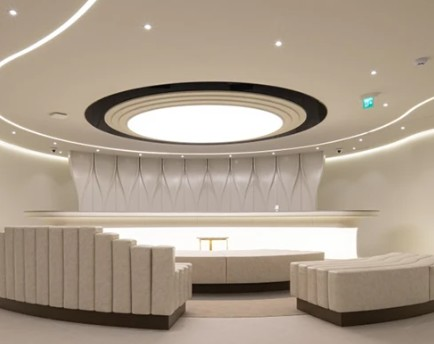
📞 Contact Yaan Clinic Gangnam Today
Kakao Talk: pf.kakao.com/_xbtAcE/chat
English-speaking staff available
💬 WhatsApp /+82 10 5308-0499
💰 Transparent pricing — no hidden fees
📍 Gangnam-gu, Seoul — easy access from major hotels
🕐 Same-day doctor consultation available
⚠ Medical Disclaimer
The effects described in this article are based on clinically reported general outcomes. Individual results may vary depending on skin condition, age, and lifestyle. All medical decisions should be made in consultation with a qualified dermatologist. This article does not substitute for medical diagnosis or treatment.
FAQ
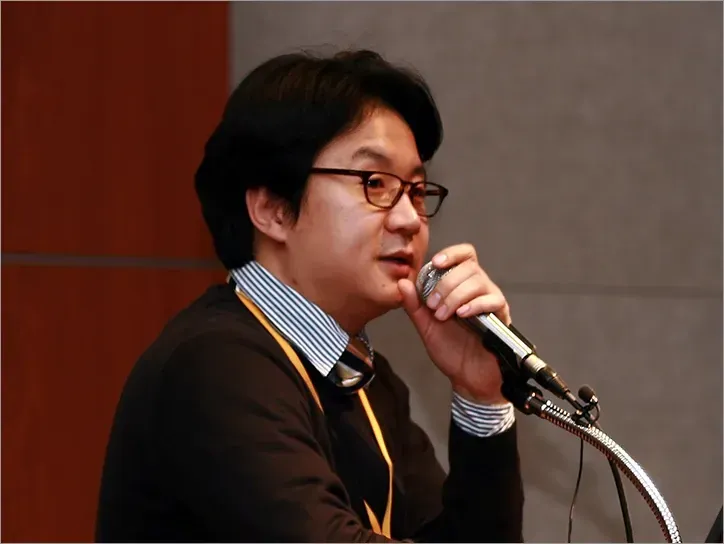
Meet Dr. WONTAK CHOI: A Global Authority in Facial Artistry
When it comes to your face, expertise is non-negotiable. At Yaan Skin Clinic, your journey is guided by Dr. Wontak Choi, a physician whose reputation extends far beyond the borders of Korea.
Dr. Choi is not merely a practitioner; he is a certified Key Doctor for world-renowned, FDA-approved brands like Restylane and Radiesse. This elite designation means he serves as a consultant and educator for other medical professionals globally. With a portfolio of thousands of successful cases, Dr. Choi blends clinical precision with an artistic eye, ensuring that every “Face Lift” result is tailored to the patient’s unique bone structure and skin type. At Yaan, you aren’t just getting a treatment; you are receiving care from a recognized master of aesthetic medicine.
WHY?